Mansi Ganga Govardhan – History, Timings & Visitor Guide
About Mansi Ganga, Govardhan
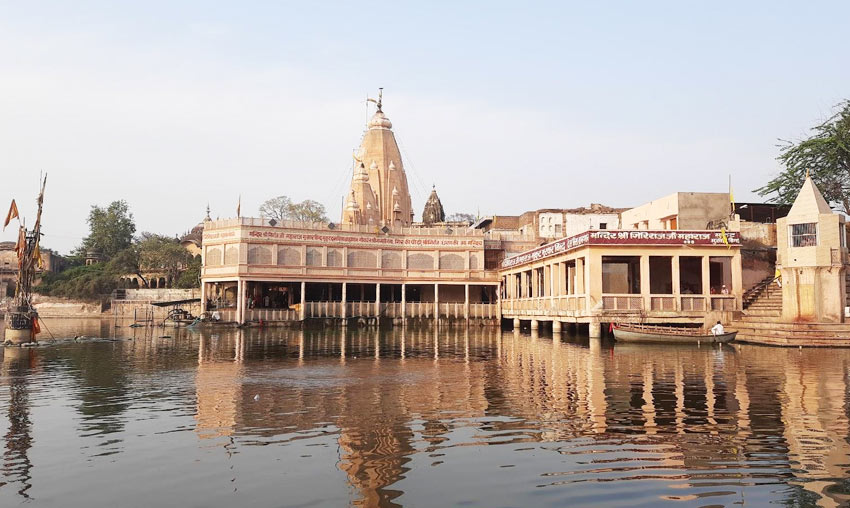
Mansi Ganga is one of the most sacred and historically significant water bodies in Govardhan, located in the Mathura district of Uttar Pradesh. Situated in the heart of Govardhan town, this beautiful sacred lake is closely associated with Lord Krishna and the religious traditions of Braj Bhoomi.
According to Hindu mythology, Mansi Ganga appeared through the divine will of Lord Krishna. The name Mansi Ganga comes from the Sanskrit word “Manas”, meaning mind, and “Ganga”, referring to the holy river. The sacred lake is believed to have manifested from the mind of Lord Krishna to fulfil the wish of Nanda Maharaj and the people of Braj.
Surrounded by historic stone ghats, temples and religious structures, Mansi Ganga is an important pilgrimage destination for devotees visiting Govardhan. It is traditionally considered one of the significant starting and ending points of the famous 21-kilometre Govardhan Parikrama.
Visitors come here to take part in religious rituals, offer prayers, experience the peaceful surroundings and witness the beautiful evening Deep Daan ceremony. Whether you are visiting Govardhan for a pilgrimage or exploring its historical attractions, Mansi Ganga deserves a place in your travel itinerary.
History of Mansi Ganga
Mansi Ganga has a long-standing place in the religious history and mythology of Braj Bhoomi. Its origin is closely associated with the childhood pastimes of Lord Krishna and the traditions of Nanda Maharaj and Yashoda Maiya.
According to a popular religious legend, Nanda Maharaj and the people of Braj wished to visit the holy River Ganga for a sacred bath. Understanding their wish, Lord Krishna manifested the divine Ganga in Govardhan through his mind. Since the sacred water body appeared through his divine thought, it came to be known as Mansi Ganga.
The lake became an important centre of pilgrimage and religious activity in the Govardhan region. Devotees believe that bathing in its sacred waters and offering prayers here bring spiritual blessings.
Over the centuries, Mansi Ganga developed into an important religious landmark surrounded by temples and stone ghats. The reservoir and its surrounding structures have been maintained and developed through different historical periods.
Today, Mansi Ganga continues to attract pilgrims, devotees and tourists who visit Govardhan to explore its sacred places and perform the traditional parikrama.
Religious Significance of Mansi Ganga
Mansi Ganga is considered one of the most sacred water bodies in the Braj region. Its religious importance comes from its association with Lord Krishna and the belief that the holy River Ganga manifested here through his divine will.
Devotees visit Mansi Ganga to offer prayers, perform traditional bathing rituals and seek spiritual blessings. Many pilgrims include the sacred lake in their Govardhan Parikrama and consider it an important place to begin or conclude their pilgrimage.
The surrounding ghats and temples create a devotional atmosphere throughout the day. Religious activities, prayers and evening lamp offerings make Mansi Ganga an important part of the spiritual identity of Govardhan.
Architecture and Ghats of Mansi Ganga
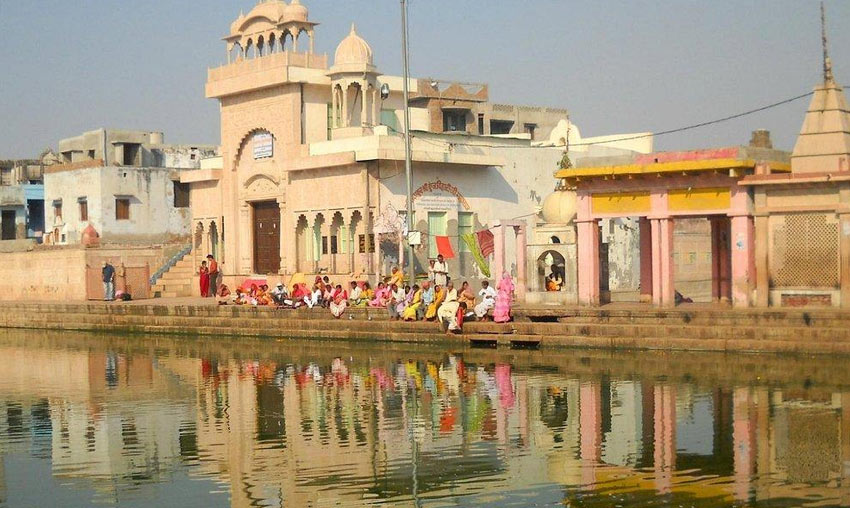
Mansi Ganga is surrounded by traditional stone steps and ghats that lead towards the water. These ghats provide space for pilgrims to perform religious rituals, offer prayers and spend time near the sacred lake.
The surroundings include several temples and historic religious structures, creating a beautiful combination of traditional architecture and spiritual heritage.
One of the most attractive experiences at Mansi Ganga is watching the lake during the evening hours. The reflections of the surrounding buildings and the glow of devotional lamps create a peaceful atmosphere for visitors.
Visitors interested in religious architecture, local culture and photography can explore the ghats and nearby temple areas while respecting the privacy of pilgrims performing their rituals.
Mansi Ganga Timings
Mansi Ganga is an open sacred lake with surrounding ghats, rather than a conventional temple with fixed opening and closing hours. The lake area is generally accessible throughout the day.
| Visitor Information | Details |
|---|---|
| Lake Access | Generally Open Throughout the Day |
| Best Time to Visit | Early Morning and Evening |
| Evening Deep Daan | Around Sunset |
| Recommended Visit Duration | Approximately 45 Minutes to 2 Hours |
Note: Access to individual temples and shrines around the lake may follow separate morning and evening darshan schedules. Local arrangements may also change during festivals.
Mansi Ganga Aarti and Deep Daan
The evening aarti and Deep Daan are among the most memorable experiences for visitors at Mansi Ganga. During the evening, devotees gather near the ghats to offer prayers and light traditional earthen lamps as an expression of devotion.
Deep Daan involves offering illuminated diyas near the sacred water body. The sight of small lamps glowing around the lake creates a beautiful devotional atmosphere, especially during the holy month of Kartik and major religious festivals.
Evening Aarti Timings
The evening aarti and Deep Daan are generally performed around sunset. The exact timing may change according to the season and local religious arrangements.
- Morning: Devotees visit the ghats for prayers and religious bathing.
- Evening: Devotional prayers and Deep Daan around sunset.
- Special Occasions: More devotional activity during Kartik month, Kartik Purnima and Govardhan Puja.
Note: A fixed official daily aarti timetable could not be confirmed. Visitors should check the local schedule before planning their visit around a specific ceremony.
Mansi Ganga Entry Fee
Mansi Ganga is generally accessible to visitors without an entry ticket. There is no regular admission fee reported for visiting the open lake and its ghats.
- Entry Fee: Generally Free
- Lake Access: Publicly Accessible
- Voluntary Donations: May be offered for religious rituals and services
Visitors should remember that voluntary donations for religious activities are separate from entry charges. Always confirm local arrangements before participating in special rituals.
Religious Rituals and Activities at Mansi Ganga
Mansi Ganga is an important centre of devotional activities in Govardhan. Pilgrims visit the lake to participate in traditional religious practices and experience the spiritual atmosphere of Braj Bhoomi.
Holy Bath (Snan)
Devotees traditionally take a holy bath in Mansi Ganga as part of their religious visit. Bathing here is considered spiritually significant because of the lake’s association with Lord Krishna and the sacred River Ganga.
Deep Daan
Deep Daan is an important evening devotional activity in which devotees offer small earthen lamps near the water. It is particularly popular during Kartik month and other auspicious occasions.
Govardhan Parikrama
Many pilgrims visit Mansi Ganga before beginning or after completing the traditional Govardhan Parikrama. The lake is an important stop along the sacred pilgrimage route.
Temple Visits and Prayers
Devotees also visit the temples and shrines situated around Mansi Ganga to offer prayers and seek blessings.
Best Time to Visit Mansi Ganga
The best time to visit Mansi Ganga is generally from October to March, when the weather in Govardhan is relatively pleasant. These months are suitable for exploring the ghats, visiting nearby temples and performing the Govardhan Parikrama.
Early morning is a peaceful time for visiting the lake, while the evening offers the opportunity to experience Deep Daan and the devotional atmosphere around the ghats.
Winter Season (October to March)
Winter is a comfortable season for exploring Mansi Ganga and nearby religious attractions. Visitors can enjoy outdoor sightseeing and the Govardhan Parikrama without the intense summer heat.
Summer Season (April to June)
Summer temperatures in Govardhan can become very high. Visitors should plan their visit during early morning or evening hours and avoid prolonged outdoor activities during peak afternoon heat.
Monsoon Season (July to September)
The monsoon season brings rainfall and greenery to the Braj region. Visitors should be careful around wet stone steps and follow local safety instructions near the water.
Best Time for Deep Daan
Evening around sunset is a popular time for Deep Daan at Mansi Ganga. The experience is particularly special during Kartik month, Kartik Purnima and Govardhan Puja, although these occasions can attract large crowds.
Mansi Ganga During Govardhan Parikrama
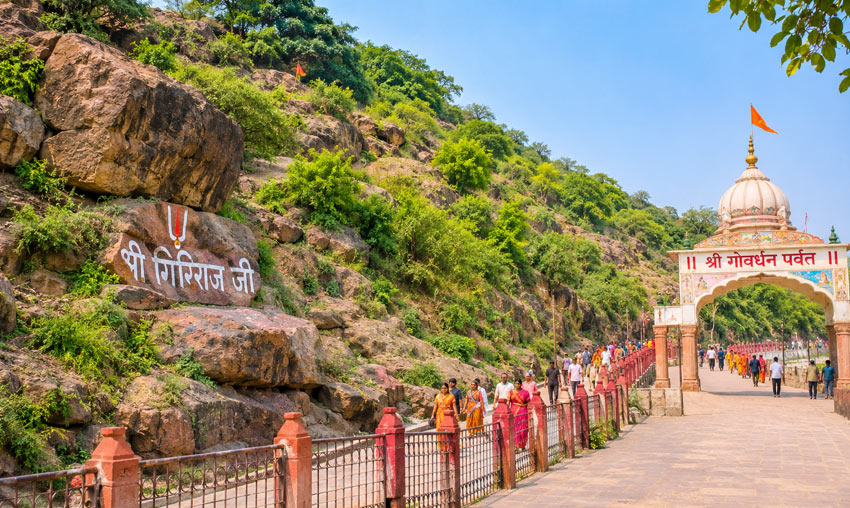
Mansi Ganga is one of the most important religious landmarks along the traditional Govardhan Parikrama route. The parikrama covers approximately 21 kilometres around the sacred Govardhan Hill and is performed by devotees as an expression of devotion to Giriraj Ji Maharaj.
Many pilgrims traditionally begin their parikrama near Mansi Ganga and return to this area after completing the pilgrimage. The sacred lake is also an important place for prayers and religious bathing before or after the journey.
During the parikrama, devotees visit several important religious attractions, including Daan Ghati Temple, Kusum Sarovar, Radha Kund and Shyam Kund.
Visitors who do not wish to complete the full parikrama can also visit Mansi Ganga separately and explore the temples and ghats around the lake.
Famous Temples Near Mansi Ganga
Chakleshwar Mahadev Temple
Chakleshwar Mahadev Temple is an important Shiva temple situated near Mansi Ganga. It is dedicated to Lord Shiva and is visited by devotees exploring the religious sites of Govardhan.
Mukut Mukharvind Temple
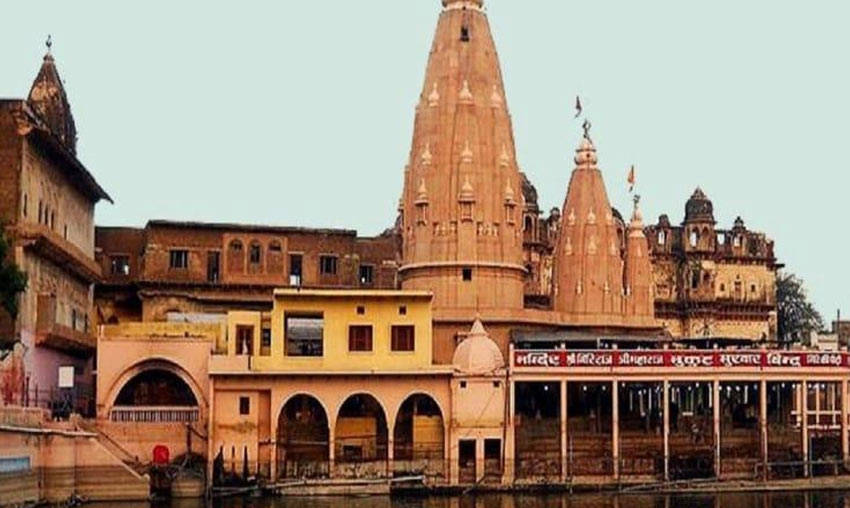
Mukut Mukharvind is a sacred shrine associated with the worship of Giriraj Ji Maharaj. It is closely connected with the religious traditions of Govardhan and is an important place for devotees performing the parikrama.
Haridev Temple
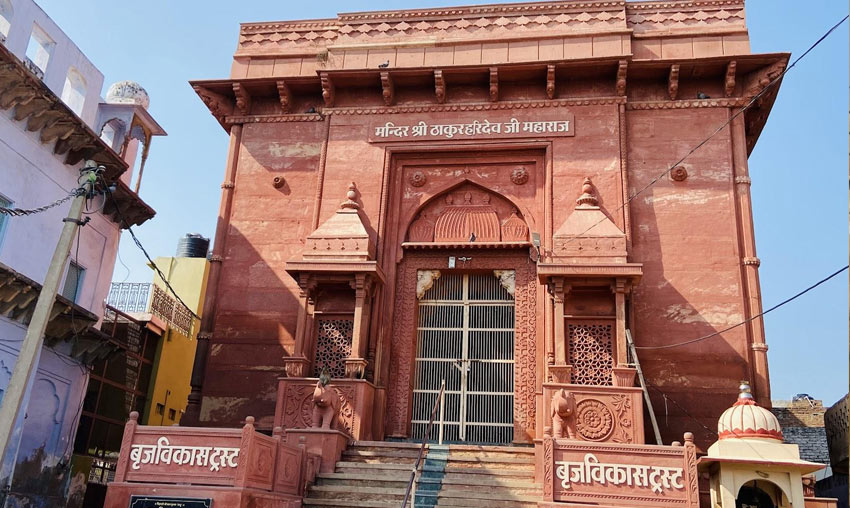
Haridev Temple is one of the historic temples of Govardhan, dedicated to Lord Krishna. Located near Mansi Ganga, it attracts devotees interested in the spiritual heritage of Braj Bhoomi.
How to Reach Mansi Ganga
Mansi Ganga is situated in the centre of Govardhan town in the Mathura district of Uttar Pradesh. It is easily accessible by road from Mathura, Vrindavan and nearby destinations in the Braj region.
By Road
Visitors can reach Mansi Ganga by taxi, auto-rickshaw, local transport or private vehicle. Govardhan is connected by road with Mathura and Vrindavan. The lake is situated near the main town area and is accessible on foot from nearby locations.
By Train
Mathura Junction is the nearest major railway station. It is connected with Delhi, Agra, Jaipur and several other cities. From Mathura Junction, visitors can hire a taxi or use local transport to reach Govardhan.
By Air
Visitors travelling by air can use Agra Airport or Indira Gandhi International Airport in Delhi. From either airport, Govardhan can be reached by road.
Mansi Ganga Location
Mansi Ganga is located in the central area of Govardhan town, near Daan Ghati and several important temples. It is situated along the traditional Govardhan Parikrama route.
- Place Name: Mansi Ganga
- Also Known As: Manasi Ganga, Mansi Ganga Kund
- Location: Govardhan Town
- District: Mathura
- State: Uttar Pradesh
- PIN Code: 281502
View Mansi Ganga on Google Maps
Mansi Ganga Contact Number and Phone
Mansi Ganga is a public sacred lake and pilgrimage site rather than a conventional temple with a central booking office.
A verified public contact number for the lake or its administration could not be established. Visitors requiring information about religious ceremonies, local access or special arrangements should contact the relevant local administration or a recognised temple representative.
Places to Visit Near Mansi Ganga
Visitors can explore several famous temples, sacred lakes and historical attractions located near Mansi Ganga. These places can be included in a Govardhan sightseeing itinerary.
1. Daan Ghati Temple
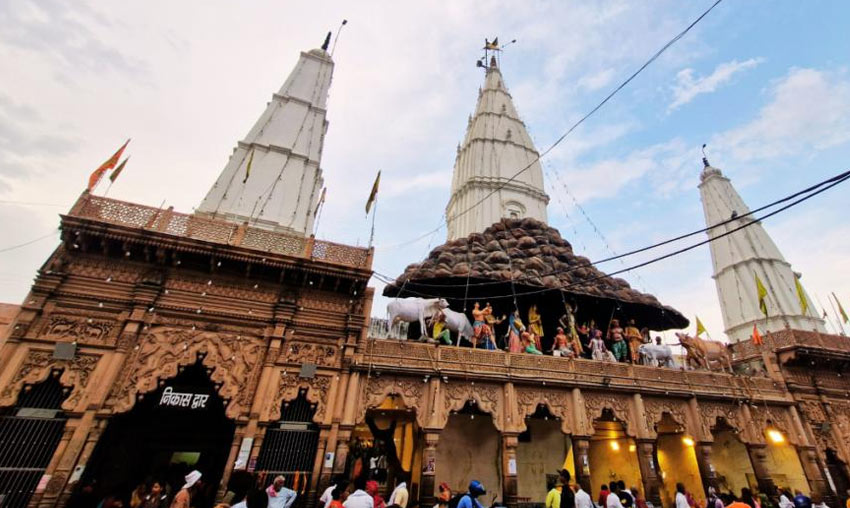
Daan Ghati Temple is one of the most famous religious attractions in Govardhan. Dedicated to Giriraj Ji Maharaj, the temple is associated with Lord Krishna’s traditional Daan Leela and is an important stop during the Govardhan Parikrama.
2. Kusum Sarovar
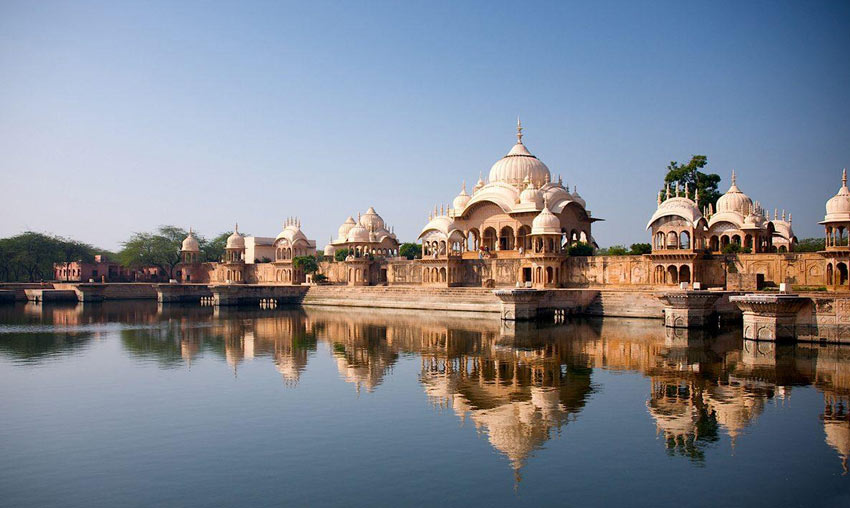
Kusum Sarovar is a beautiful historical reservoir known for its impressive sandstone chhatris and architectural heritage. It is associated with the Radha-Krishna traditions of Braj Bhoomi.
3. Radha Kund and Shyam Kund
Radha Kund and Shyam Kund are two of the most sacred water bodies in the Braj region. They are associated with Radha Rani and Lord Krishna and are important pilgrimage destinations near Govardhan.
4. Govind Kund
Govind Kund is a sacred water body associated with the religious legends of Govardhan. Devotees visit this location as part of their spiritual journey around the sacred hill.
5. Haridev Temple
Haridev Temple is a historic temple dedicated to Lord Krishna. Located near Mansi Ganga, it is an important place of worship for devotees visiting Govardhan.
Travel Tips for Visiting Mansi Ganga
- Visit early in the morning or around sunset to enjoy the peaceful surroundings.
- Check the local aarti and Deep Daan schedule before planning your visit.
- Wear comfortable footwear suitable for walking around the stone ghats.
- Be careful near the water and avoid entering the lake at unsafe locations.
- Maintain cleanliness and do not throw plastic, flowers or other waste into the lake.
- Carry drinking water during summer visits.
- Respect local religious customs and the privacy of devotees performing rituals.
- Plan your visit along with nearby temples and attractions in Govardhan.
- During major festivals, allow additional time for traffic and crowds.
Frequently Asked Questions About Mansi Ganga
1. Where is Mansi Ganga located?
Mansi Ganga is located in the centre of Govardhan town in the Mathura district of Uttar Pradesh, India.
2. What is Mansi Ganga famous for?
Mansi Ganga is famous for its religious association with Lord Krishna, its sacred water body, traditional stone ghats and evening Deep Daan ceremony.
3. What is the history of Mansi Ganga?
According to Hindu mythology, Mansi Ganga appeared through the divine will of Lord Krishna when Nanda Maharaj and the people of Braj wished to visit the holy River Ganga.
4. What are the timings of Mansi Ganga?
Mansi Ganga is an open sacred lake and is generally accessible throughout the day. Individual temples around the lake may follow separate morning and evening darshan timings.
5. Is there an entry fee for Mansi Ganga?
No regular entry fee is reported for visiting Mansi Ganga and its public ghats. Voluntary donations may be offered for religious rituals.
6. What is the best time to visit Mansi Ganga?
October to March is generally a comfortable season to visit. Early morning and evening around sunset are popular times for experiencing the lake and its devotional atmosphere.
7. What is the timing of Mansi Ganga Aarti?
The evening aarti and Deep Daan generally take place around sunset. The exact schedule may vary according to the season and local arrangements.
8. Why is Mansi Ganga called Mansi Ganga?
The name comes from the words Manas, meaning mind, and Ganga, referring to the holy river. According to religious belief, Lord Krishna manifested the sacred Ganga through his mind in Govardhan.
9. Is Mansi Ganga part of Govardhan Parikrama?
Yes. Mansi Ganga is an important landmark along the traditional Govardhan Parikrama route and is commonly visited by pilgrims before or after completing the pilgrimage.
10. Which temples are located near Mansi Ganga?
Chakleshwar Mahadev Temple, Mukut Mukharvind Temple and Haridev Temple are among the important religious sites located near Mansi Ganga.
11. How far is Mansi Ganga from Mathura?
Mansi Ganga is approximately 22 to 25 kilometres from Mathura Junction by road, depending on the route.
12. Can visitors perform Deep Daan at Mansi Ganga?
Deep Daan is a traditional devotional activity at Mansi Ganga. Visitors can follow local arrangements and instructions when offering lamps near the ghats.
Plan Your Visit to Mansi Ganga, Govardhan
Mansi Ganga is one of the most sacred and peaceful attractions in Govardhan. Its association with Lord Krishna, traditional ghats, nearby temples and evening Deep Daan make it an important destination for pilgrims and tourists exploring Braj Bhoomi.
Whether you are visiting for a religious pilgrimage, performing the Govardhan Parikrama or discovering the cultural heritage of Mathura, Mansi Ganga offers a memorable spiritual experience. Combine your visit with Daan Ghati Temple, Kusum Sarovar, Radha Kund and Shyam Kund to explore the major attractions of Govardhan.
Nearby Places to Visit