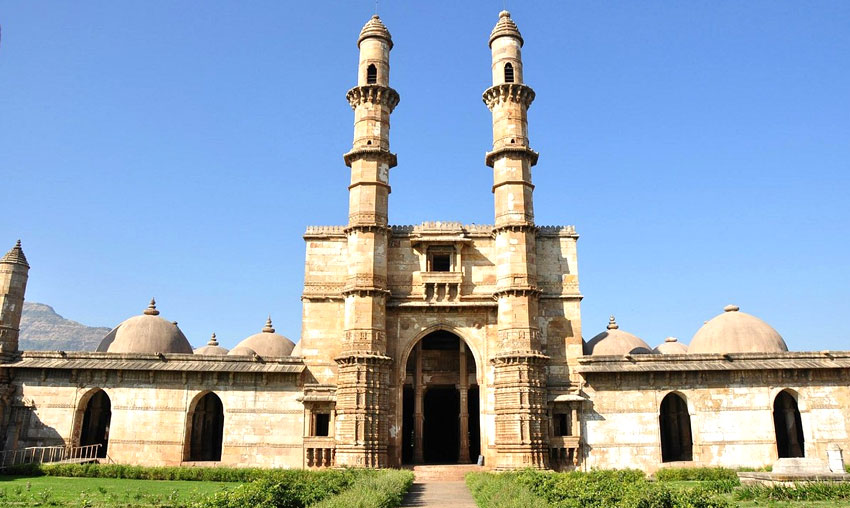
Pavagadh Fort, Champaner | Fort of Pavagadh | Timings, Entry Fee
Perched atop Pavagadh Hill in the Panchmahal district, close to Champaner, Gujarat, India, lies the Pavagadh Fort. Before Sultan Mahmud Begada overthrew it in 1484, it served as the capital of the strong Hindu kingdom of Champaner. Due to their historical, cultural, and architectural significance, the fort and the Champaner-Pavagadh Archaeological Park are now recognized as UNESCO World Heritage Sites. Fortifications, palaces, water infrastructure, and other constructions are among the many remnants that make up the fort complex. One of the oldest temples in the region, the Kalika Mata Temple is located atop the hill and welcomes thousands of pilgrims each year.
The fort can be reached via cable car or on foot. The location is a tribute to the rich history of the area and exemplifies the ideal fusion of Hindu and Muslim architecture. The fort’s ethereal charm is enhanced by the thick woodland that envelops the ruins.
Pavagadh Fort, Champaner History
Around 1300, the Chauhan Rajputs made Pavagadh their capital. However, after a 20-month siege by the Gujarat Sultan Mahmud Begada in 1484, the Rajputs committed jauhar, or ritual mass suicide, in the face of defeat. Sultan Mahmud Begada transformed Champaner, at the foot of the hill, into a magnificent new capital after capturing Pavagadh. However, Champaner’s glory was short-lived, since it was overrun by the Mughal emperor Humayun in 1535, Ahmedabad became the new capital of Gujarat, and Champaner collapsed.
Entry Ticket Pricing for Fort of Pavagadh
| Adult | INR 30 |
| Child | Free entry for children under 15 years |
Opening and Closing time of Fort of Pavagadh
| Monday | 8:00 AM – 6:00 PM |
| Tuesday | 8:00 AM – 6:00 PM |
| Wednesday | 8:00 AM – 6:00 PM |
| Thursday | 8:00 AM – 6:00 PM |
| Friday | 8:00 AM – 6:00 PM |
| Saturday | 8:00 AM – 6:00 PM |
| Sunday | 8:00 AM – 6:00 PM |
Nearby Places to Visit
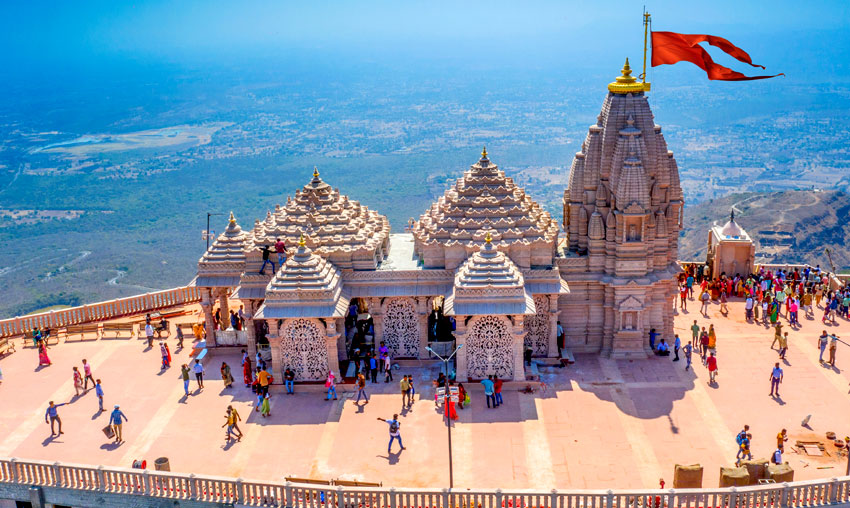
Nearby Places to Visit