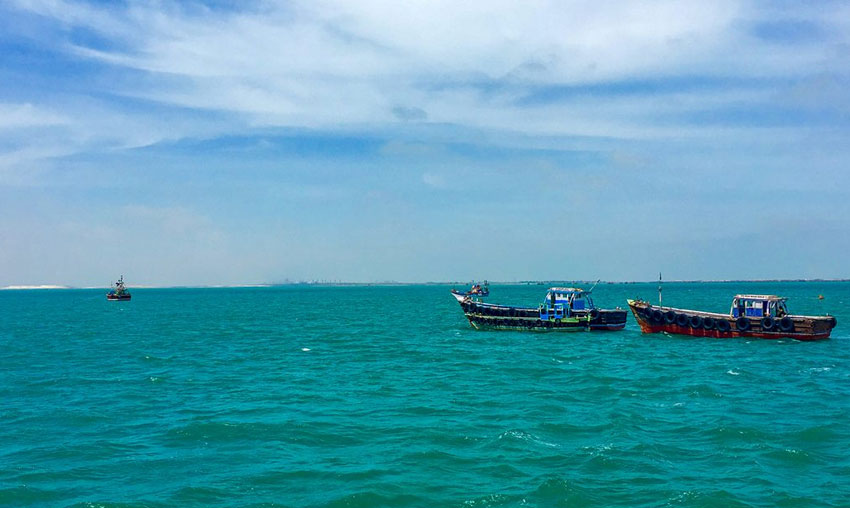
Beyt Island, Dwarka History, Timings, Distance & Boat Pricing
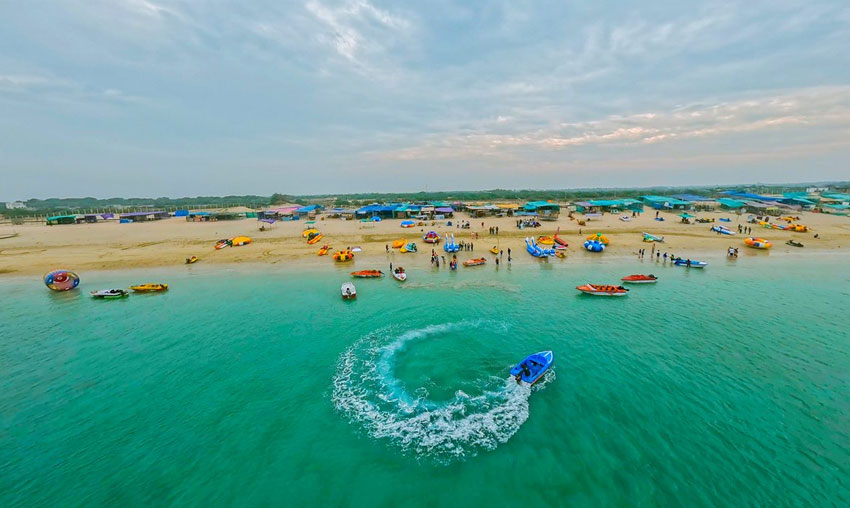
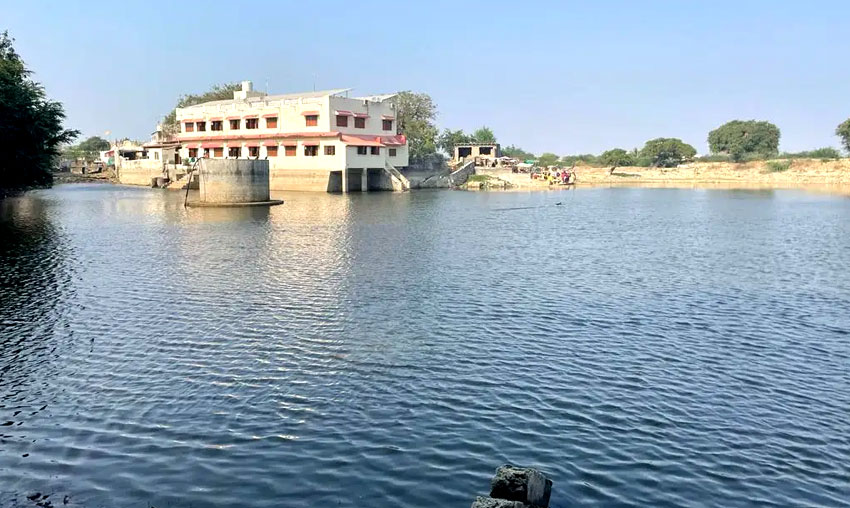
Beyt Island, also known as Bet Dwarka or Shankodhar, is a small island about 30 kilometers from Dwarka’s main town. Prior to Okha’s growth, it served as the region’s principal port. The main draw for tourists in the area is the island, which is situated at the opening of the Gulf of Kutch and is surrounded by a few temples, white sand beaches, and coral reefs. The most well-liked beach activities for tourists are beach camping, picnics, dolphin spotting, and marine excursions.
In addition to its thriving tourism sector, the island has deep religious and mythological significance. It is thought to have been Lord Krishna’s residence during his reign as king of Dwarka. According to legend, this is where Lord Krishna traded the rice sacks with his buddy Sudama. As a result, many devotees also make pilgrimages to this location.
Legend and Etymology of Beyt Island
The Gujarati words “bet” and “beyt” refer to a territory encircled by water on all sides, which is why Bet Dwarka, also known as Beyt Island, got its name. Therefore, it is thought that this name is derived from the same term. According to another legend, Lord Krishna once called this place home. According to mythology, Lord Krishna also traded the renowned bag of rice with his closest friend Sudama at this precise location. Additionally, a present is referred to as “bhent” in Hindi. As a result, the island was dubbed “Bhent Island.” Additionally, “Bhent” eventually became known as “Beyt.”
Because some people thought the island was “shankh,” or conch-shaped, it is also known as Shankodhar. Conch shells can also be found there.
History of Beyt Island
Beyt Island is thought to be quite old. It can be traced back to the Mauryan Empire. It was also a part of the Kushdwip or Okha Mandal region. Gaekwad of Baroda State used to dominate Beyt Island. It was eventually taken by the British after being taken by the Vagers during the 1857 uprising. during India’s independence, it became a part of the state of Saurashtra before merging with Gujarat during split.
There may have been Harappan towns from the Late Harappan Period or right after, from the Indus Valley Civilization, according to archeological relics discovered beneath the water.
Things to Do at Beyt Island
Marine Camp
One of the most popular things to do on the island is marine camping. It is a relatively new idea that needs volunteers to spend a few days on the shore engaging in activities such as monitoring the tides, exploring marine species, and socializing with locals. On the northeastern portion of the island lies a base camp. Sponges, jellyfish, corals, mollusks, sea feathers, sea anemones, bristle worms, barnacles, fish, marine turtles, sea snakes, crabs, starfish, sea cucumbers, and other such animals are among its abundant marine and sea biodiversity.
Places to See near Beyt Island
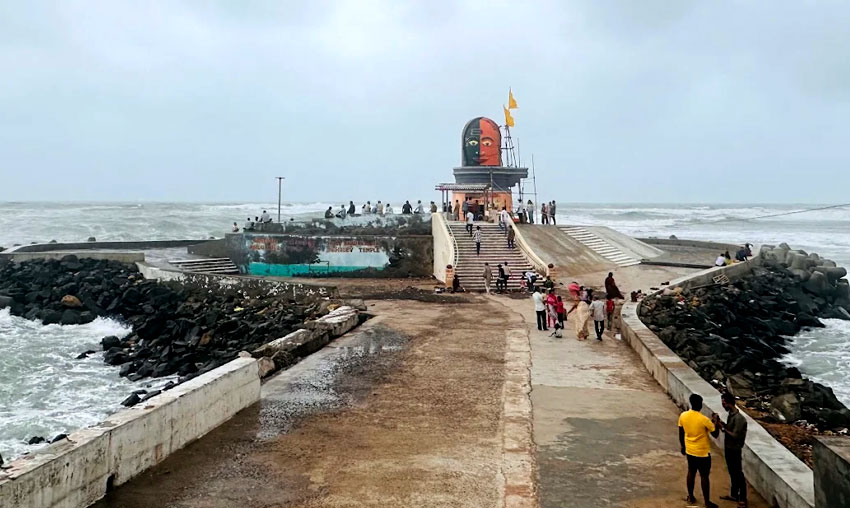
Sri Keshavraj Ji Temple
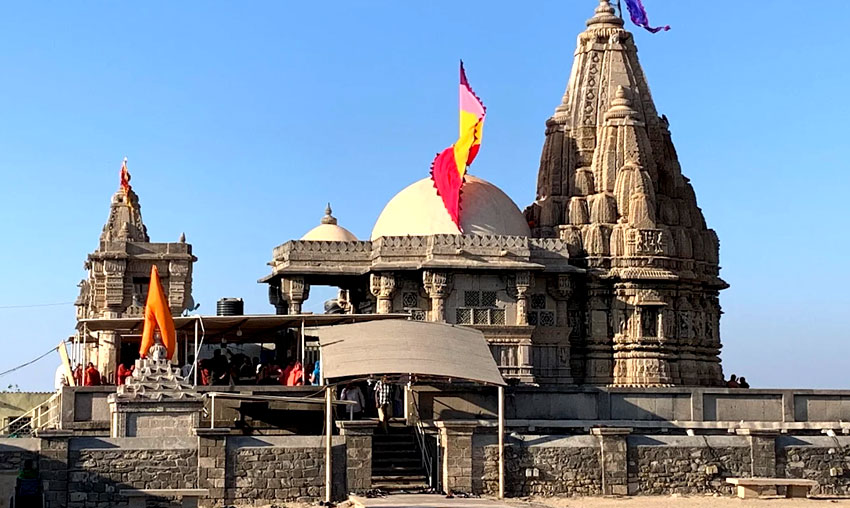
The Sri Keshavraj Ji Temple, which is dedicated to Lord Krishna, is the most significant temple on the island. Vallabhacharya constructed the 500-year-old temple. It is thought that Devi Rukmani, the wife of Lord Krishna, erected the central idol after the temple was built. Furthermore, the temple is located on the precise site where Lord Krishna previously resided. It is a significant Hindu pilgrimage place.
Hanuman Dandi
Another sacred Hindu temple in Beyt Dwarka is Hanuman Dandi, where Lord Hanuman and his son Makardhwaja are housed. According to legend, a fish swallowed a drop of sweat off Hanuman’s body and gave birth to his son, Makardhwaja.
Abhaya Mata Mandir
This shrine, which is devoted to the god Abhaya Mata, is one of the lesser ones on the southernmost tip of Beyt Island.
Dargahs
There are also two dargahs on the island, dedicated to Muslim saints – Sidi bawa peer and Haji Kirmai. These are important Muslim pilgrimage centres.
Jain Temples
In addition to the Hindu temples and the muslim shrines, Beyt Island also have a couple of Jain temples where you can visit and seek blessings from the 24 Jain Tirthankaras.
Tips to travel Beyt Island
- The only way to reach the island is through the boat ride and the boats operate for a fixed time period in the day i.e. between 6:00 AM – 7:00 PM or so. So you need to plan your day accordingly.
- All temples are closed for sightseeing from noon till 5:00 PM.
- There are a few decent places to have meals, on the island. It is best to carry your own food if you are just visiting for a couple of hours.
- No photography is allowed inside any temple.
Best Time to Visit Beyt Island
The winter months of October through March are the ideal times to explore Beyt Island. The journey will be enjoyable and comfortable because there isn’t a harsh winter in the area. At that time, the average temperature is between 20 and 22 degrees Celsius. The region is quite hot and stuffy in the summer and very humid and uncomfortable in the rainy season, therefore it is advisable to avoid the summer and monsoon seasons.
Bet Dwarka Temple Timings & Boat Prices
| Temple Timings | Morning: 9:00 AM to 1:00 PM Evening: 5:00 PM to 7:00 PM |
| BoatTimings | 6:00 AM to 7:00 PM |
| Boat Prices | Public Boats: Rs.10 to Rs.30 (per person) Private Boats: Rs.2000 |
Nearby Places to Visit